
Mete Prime provides access to our foundry group's sand, centrifugal and continuous casting capabilities in Türkiye for custom bronze, brass and other copper-alloy components and semi-finished materials. These casting methods are combined with machining where required to achieve the agreed component dimensions and supply condition.
Drawings, samples and material specifications are reviewed with the production team to determine a suitable manufacturing route. The assessment considers geometry, alloy, section thickness, order quantity, machining allowance and inspection requirements. Casting and machining are evaluated together so the proposed route reflects both the part's intended application and the work required before delivery.
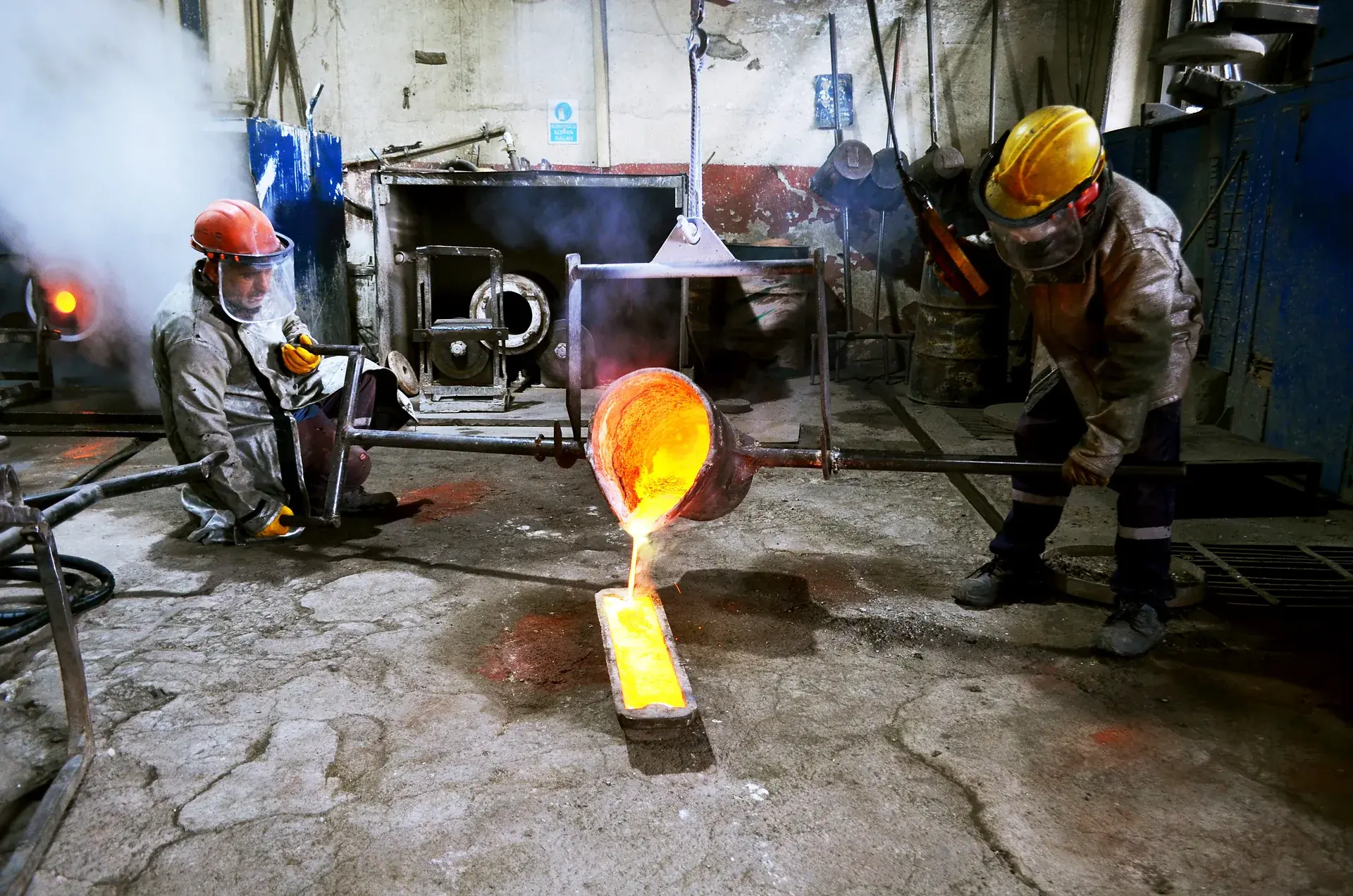
Casting & Machining Processes
 01
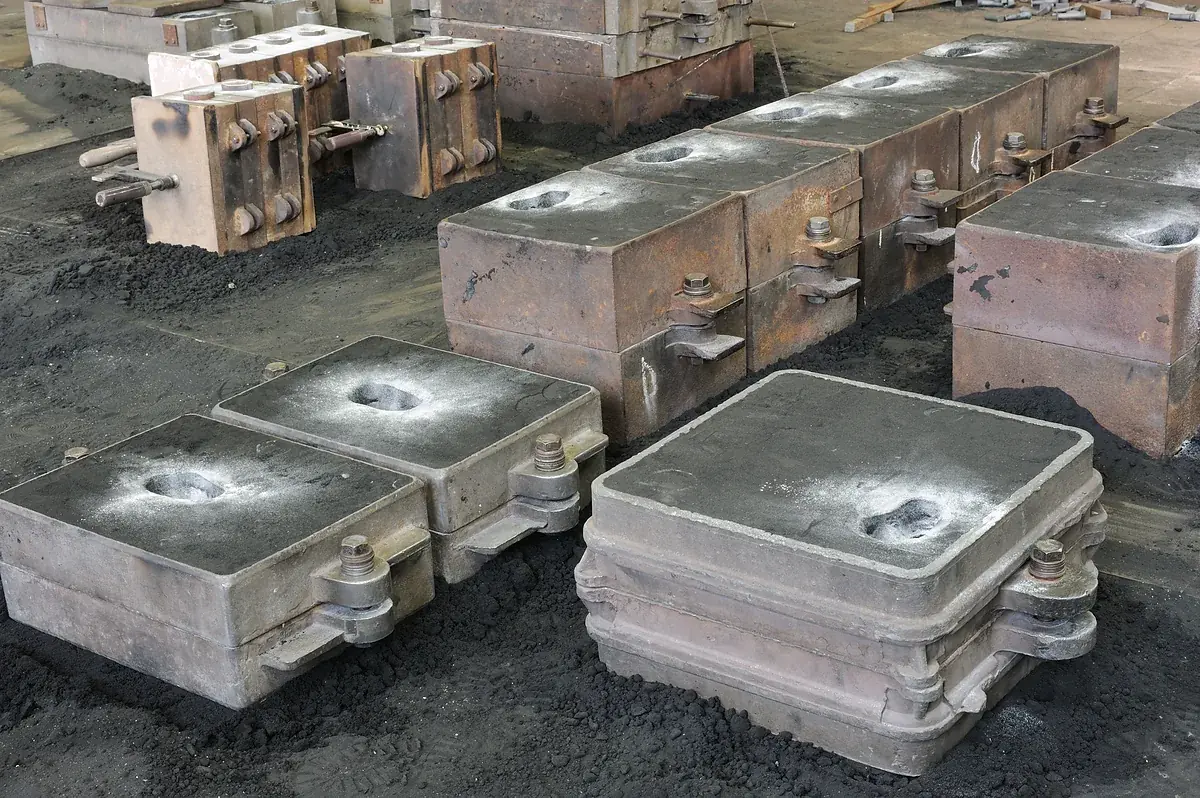
Sand Casting
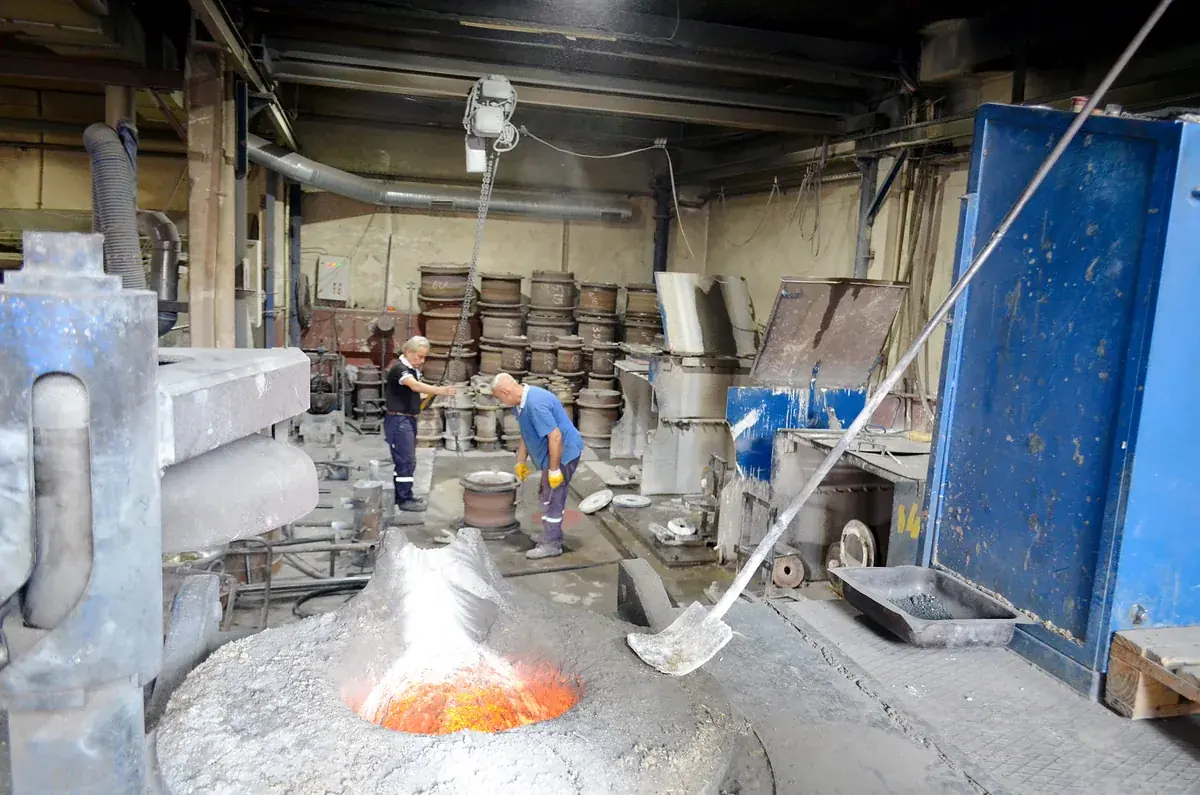
A mould formed from prepared sand around a pattern — one of the most flexible processes for custom copper-alloy shapes. Relevant to project-specific machine parts, pump and valve castings, marine components and large or irregular geometries.
Explore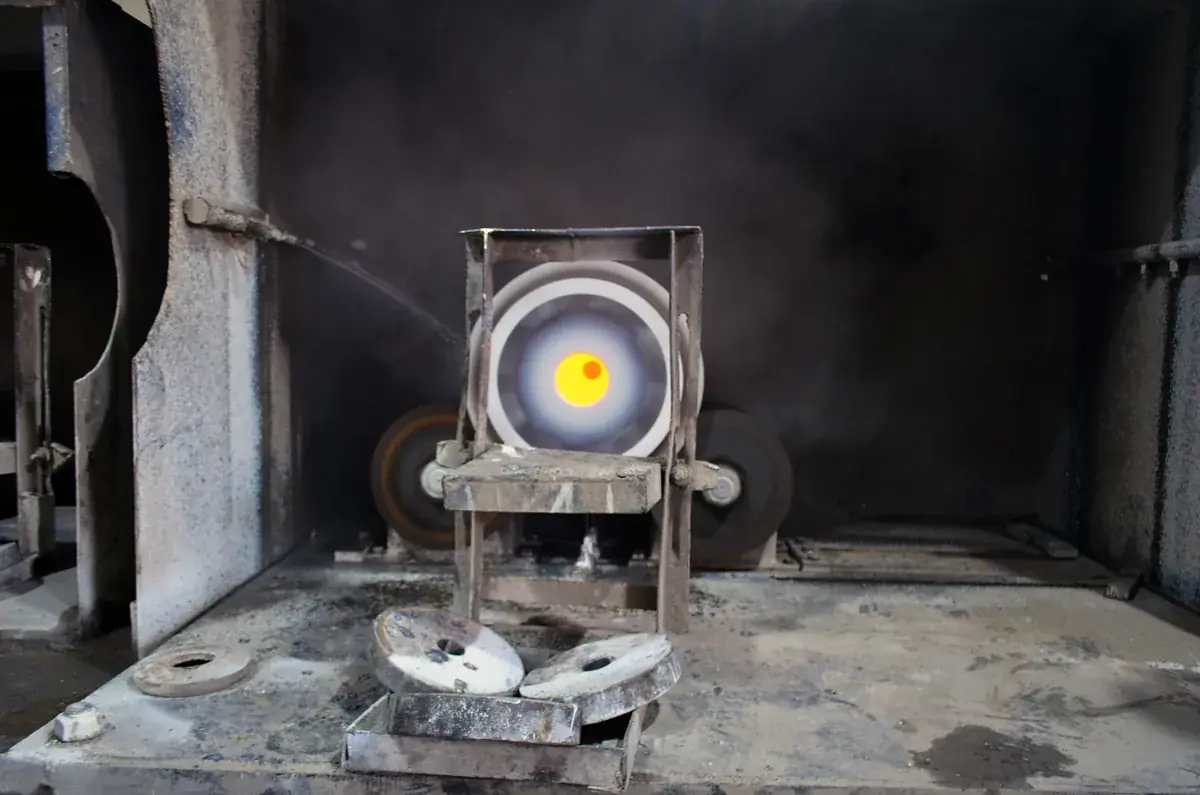 02
Centrifugal Casting
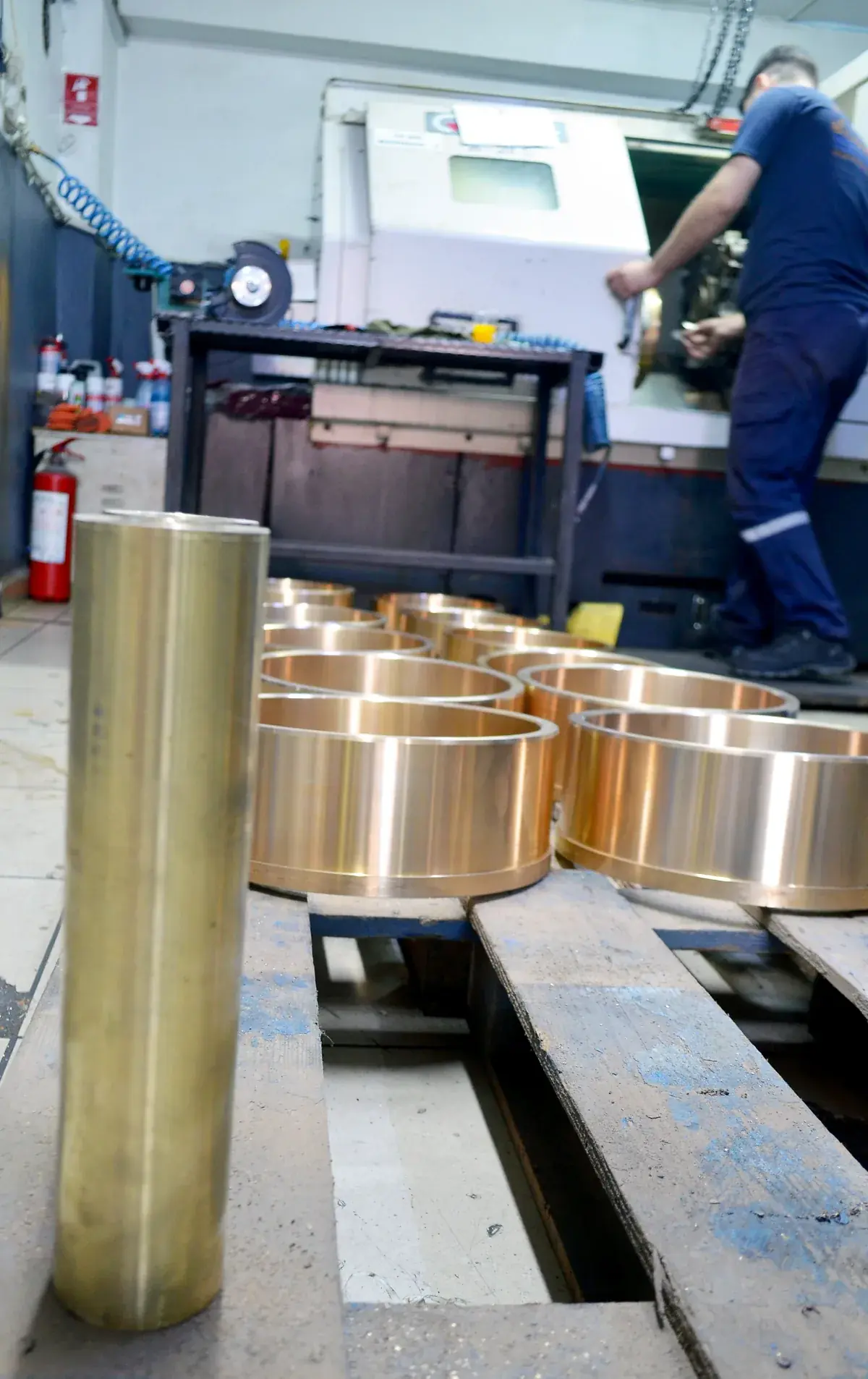
Forms a hollow cylindrical casting in a rotating mould. Molten metal is forced toward the mould wall as it solidifies — especially suitable for sleeves, bushings and bearing rings.
Explore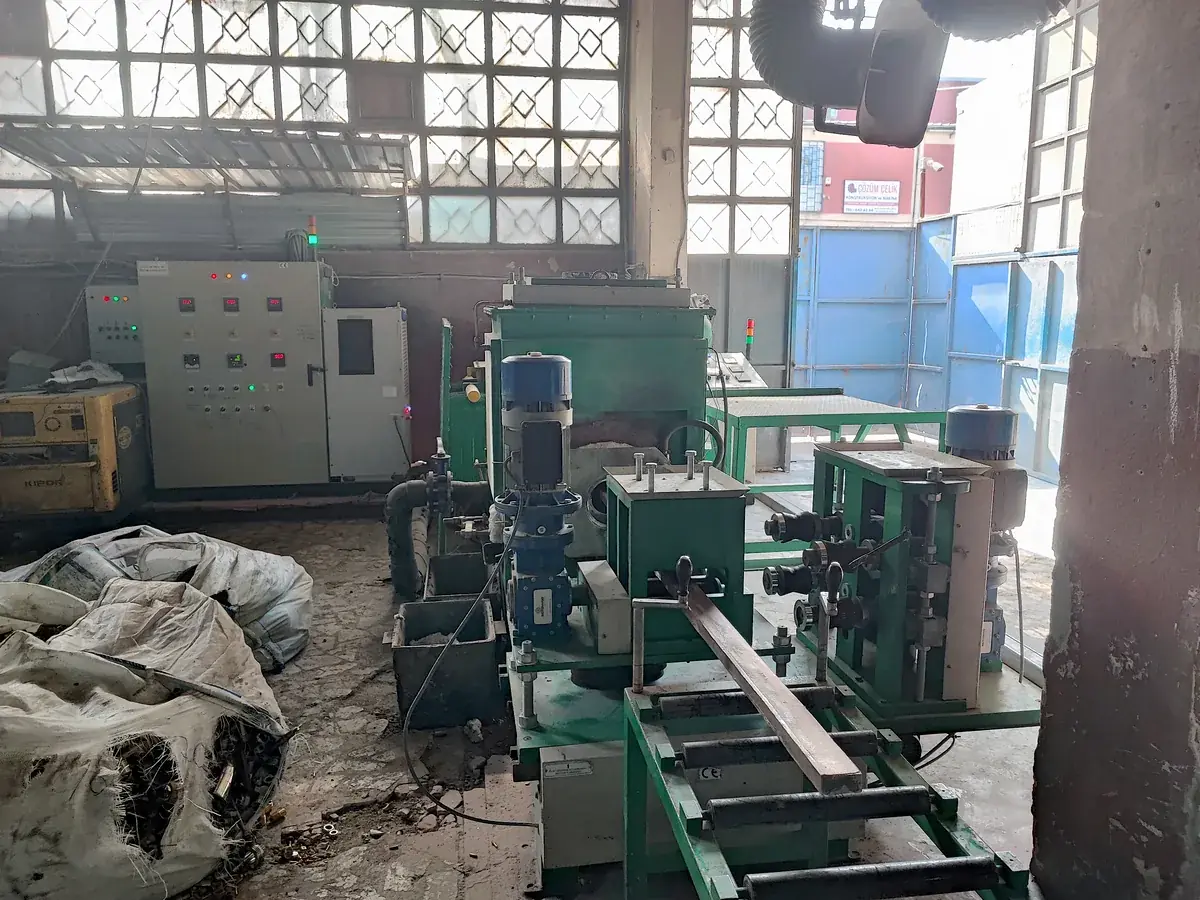 03
Continuous Casting
Molten alloy solidifies through a cooled die while the section is withdrawn in a controlled sequence. Suited to long, repeated cross-sections — round bars, hollow sections and profiles.
Explore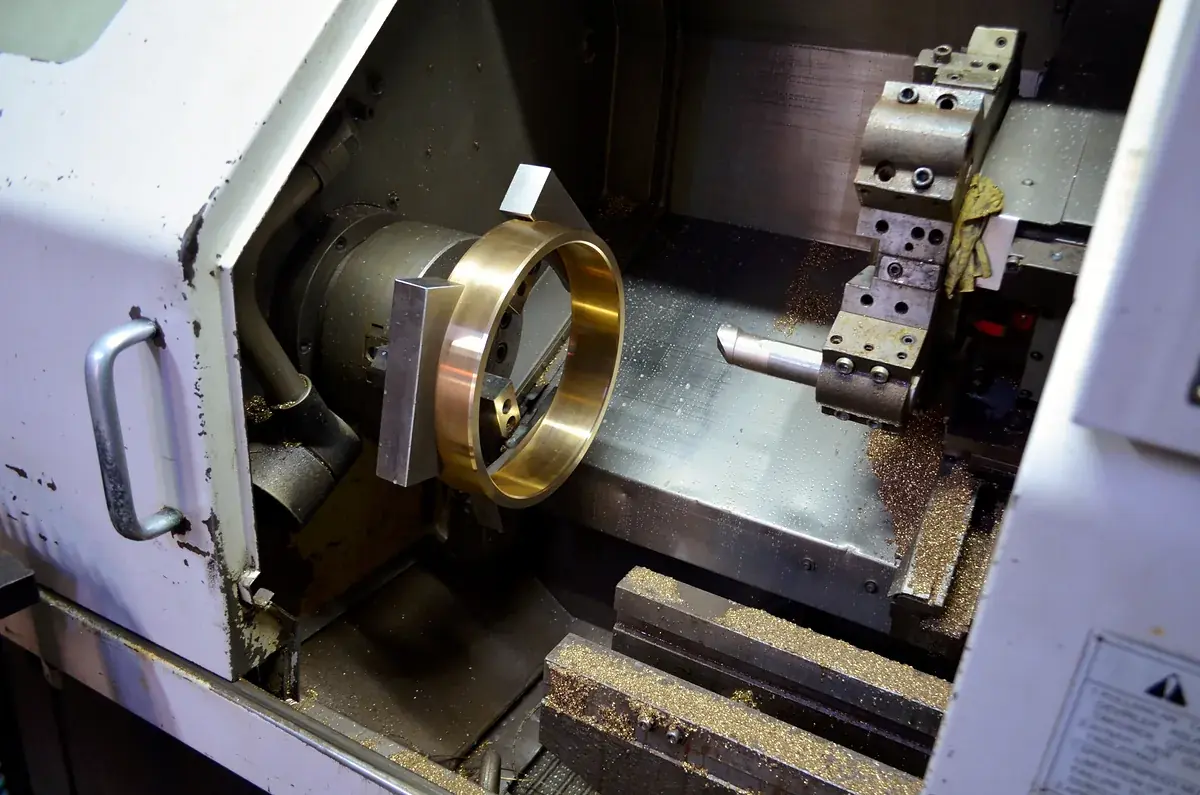 04
Machining
Rough machining, pre-machining and final machining within confirmed capability. Evaluated per project against the drawing, tolerances and available infrastructure.
ExploreChoosing the Route
Sand Casting
The casting design must account for moulding, feeding, solidification and machining allowance. Critical finished surfaces are normally controlled by subsequent machining rather than assumed from the as-cast surface. Buyers should distinguish between finished drawing dimensions and the intended rough casting condition when requesting a quotation.
Centrifugal Casting
Because the hollow section is created directly by the process, a centrifugal blank can be a more efficient starting geometry than a large solid billet when the finished part contains a substantial bore.
Continuous Casting
Continuous casting is suitable where the requirement is a solid or hollow section for further machining. Selection depends on the specified alloy, cross-section, dimensions and quantity, together with the machining allowance needed for the finished component.
Unsure Which Process Suits Your Part?
Send your drawing, alloy specification and quantity. We will review the casting route, machining scope and required tolerances before quotation.