
Mete Prime supplies bronze, brass and other copper-alloy materials and components in four delivery conditions: semi-finished material, rough castings, pre-machined parts and fully machined components. The appropriate condition is agreed according to the customer's production process, machining capability and requirements for the supplied part.
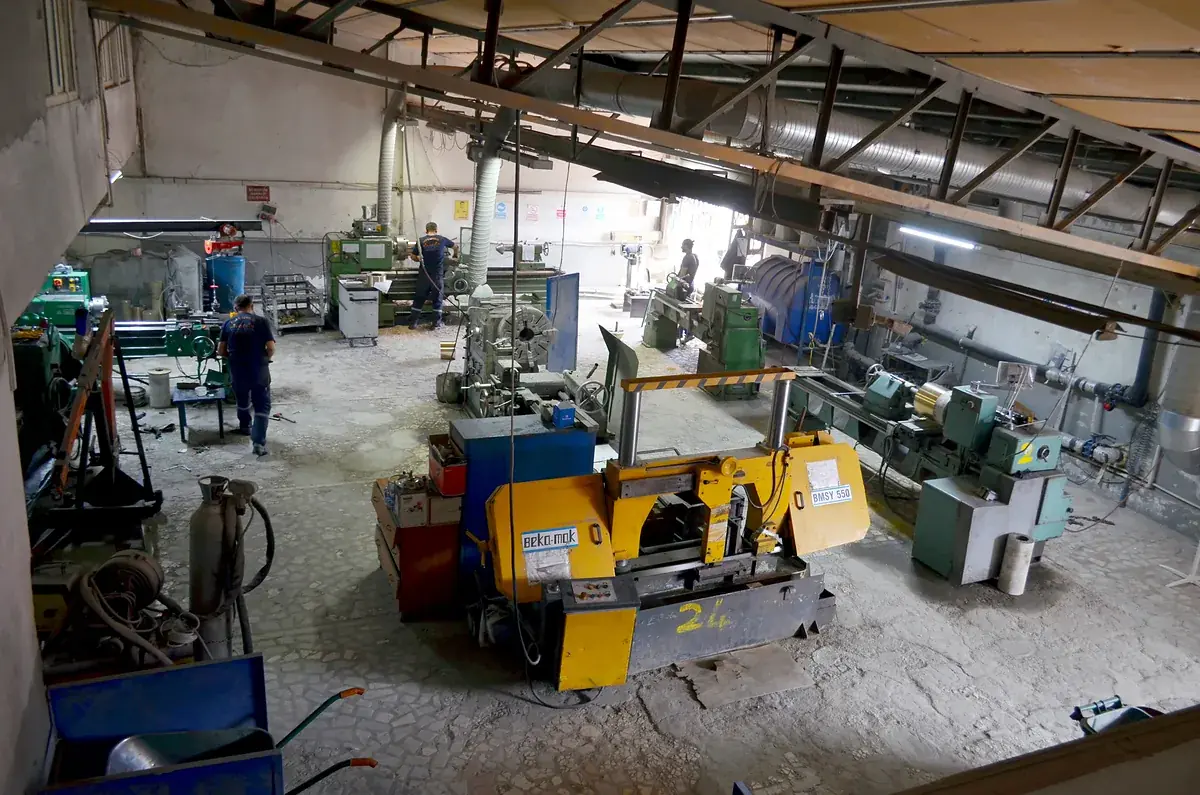
Each quotation defines the work to be completed before delivery and any machining that remains with the customer. Material dimensions, machining allowances, finished surfaces, tolerances and inspection requirements are reviewed with our foundry group’s production team in Türkiye, establishing a clear scope for both production and acceptance.
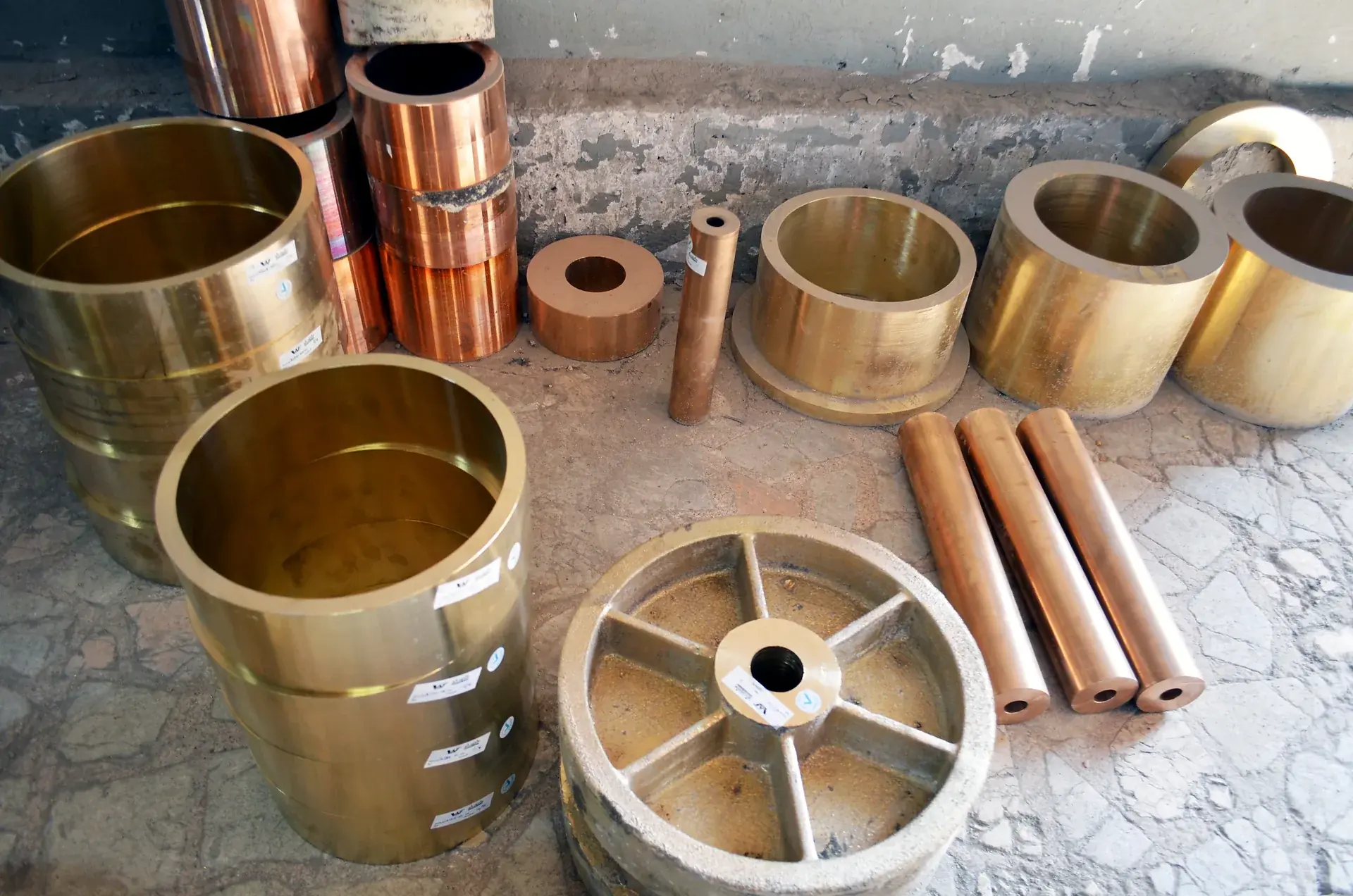
Four Supply Conditions
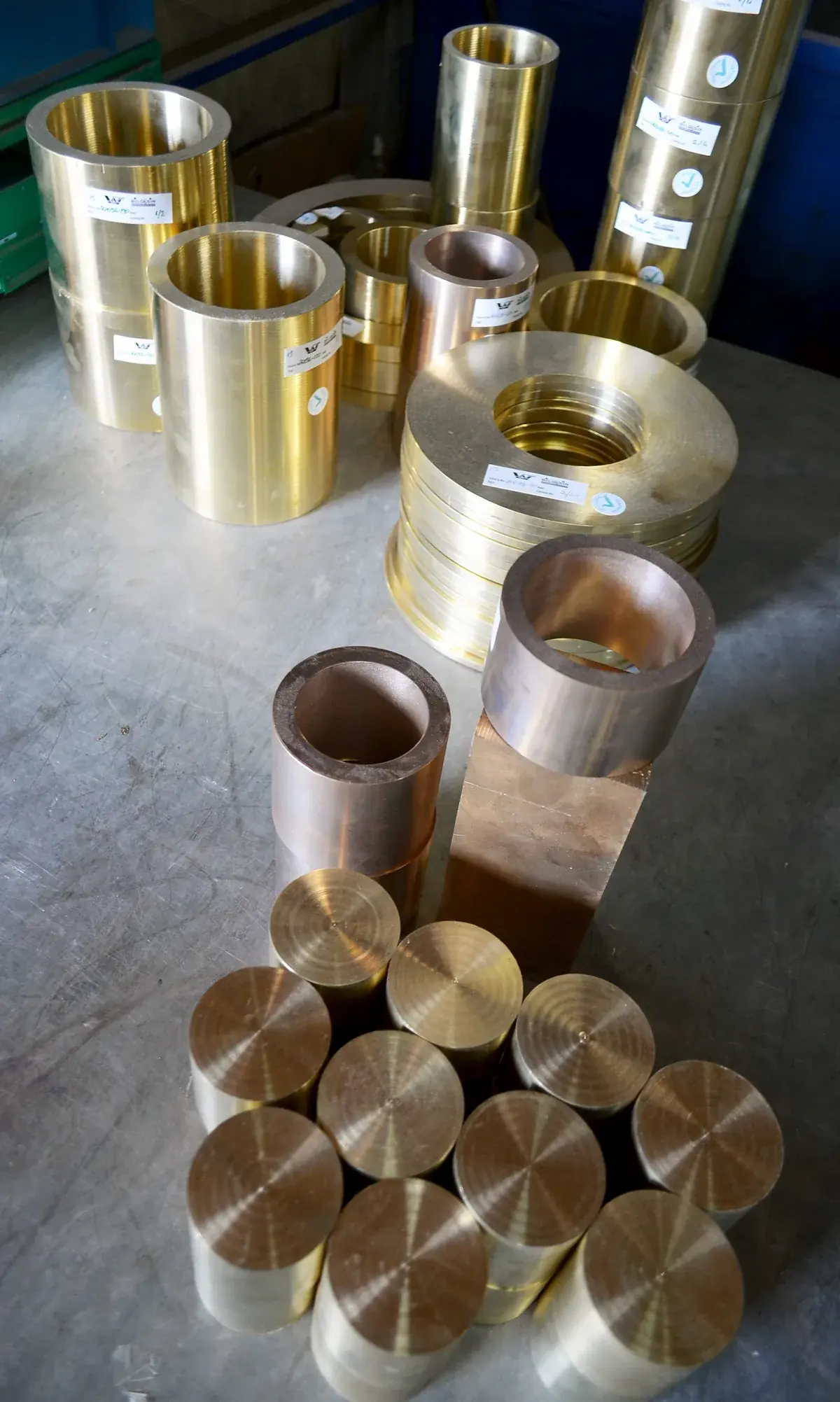
Semi-Finished Material Forms
Rods, bars, tubes, hollow bars, profiles and plates supplied as material for further processing — for customers with in-house turning, milling or boring capability and for metal distributors.
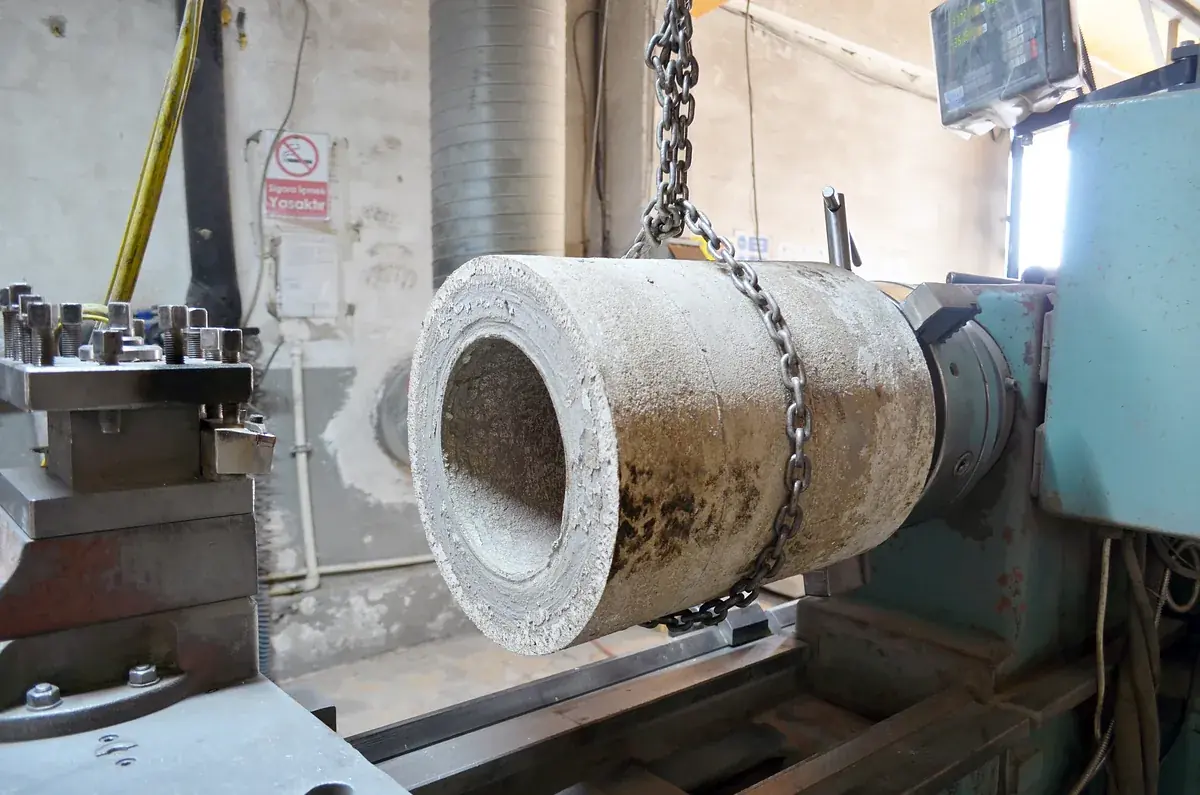
Rough / As-Cast Components
Produced close to the component geometry but keeping the stock or machining allowance needed for later operations. Reduces material removal compared with machining the part from solid stock.
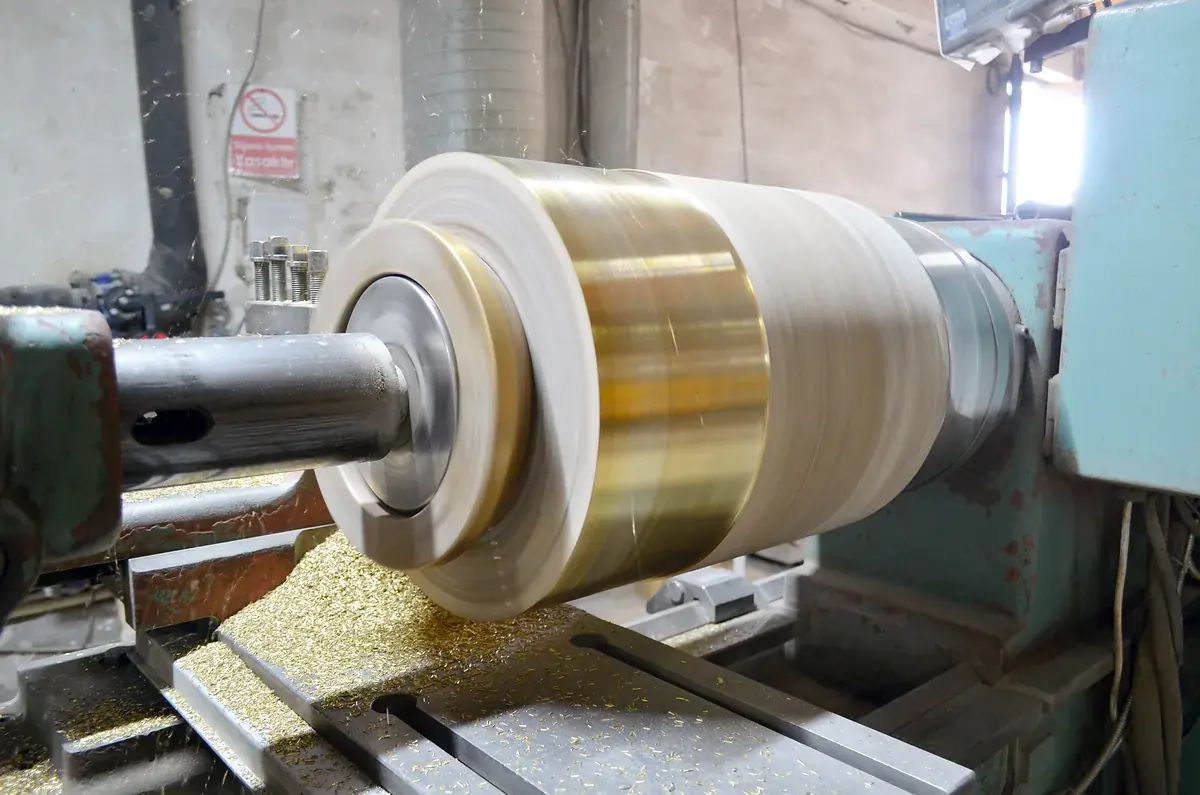
Pre-Machined Components
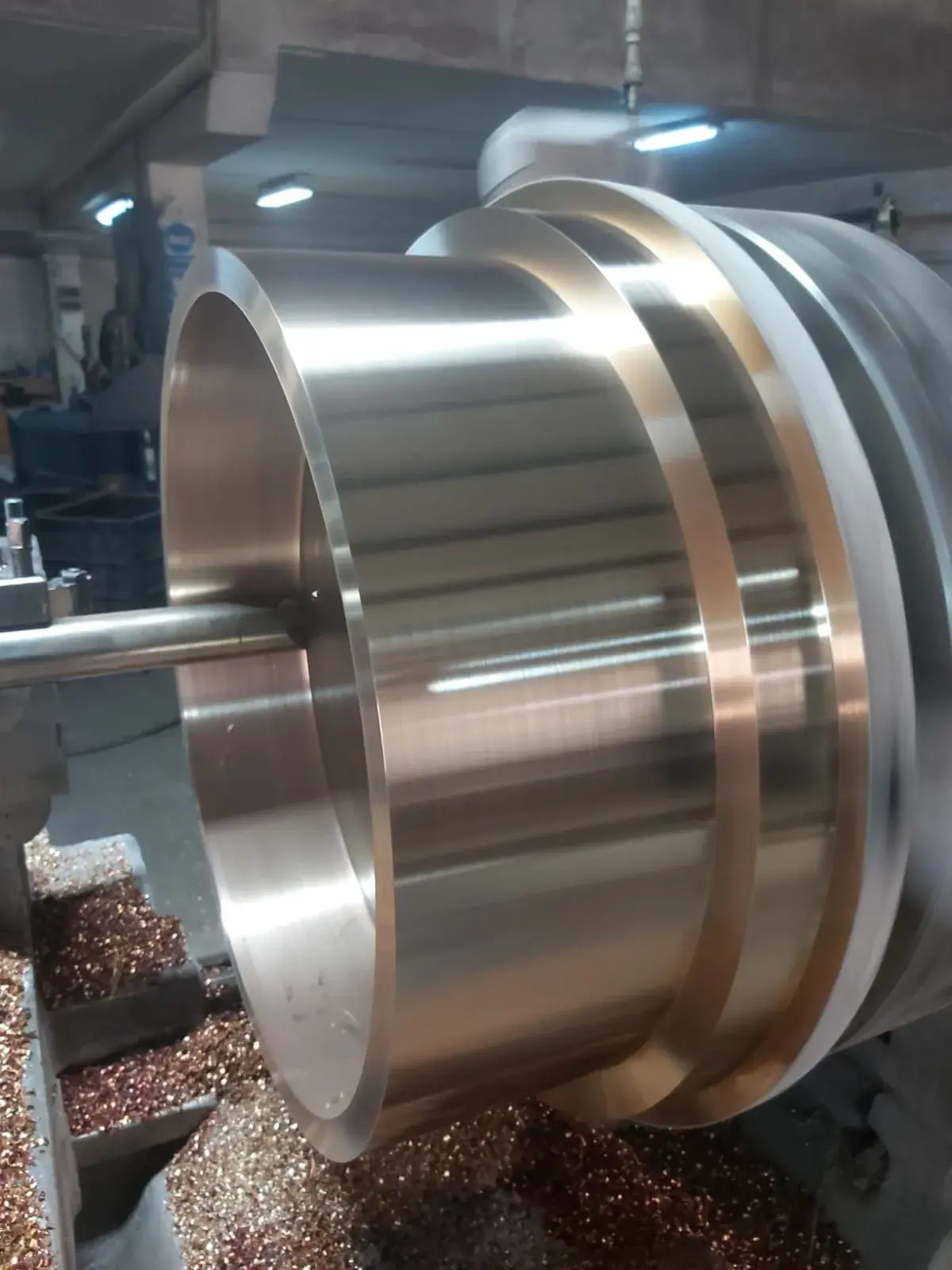
Selected stock removed and useful reference surfaces established before delivery: facing, turning, boring, drilling or datum preparation where this is technically appropriate for the part.
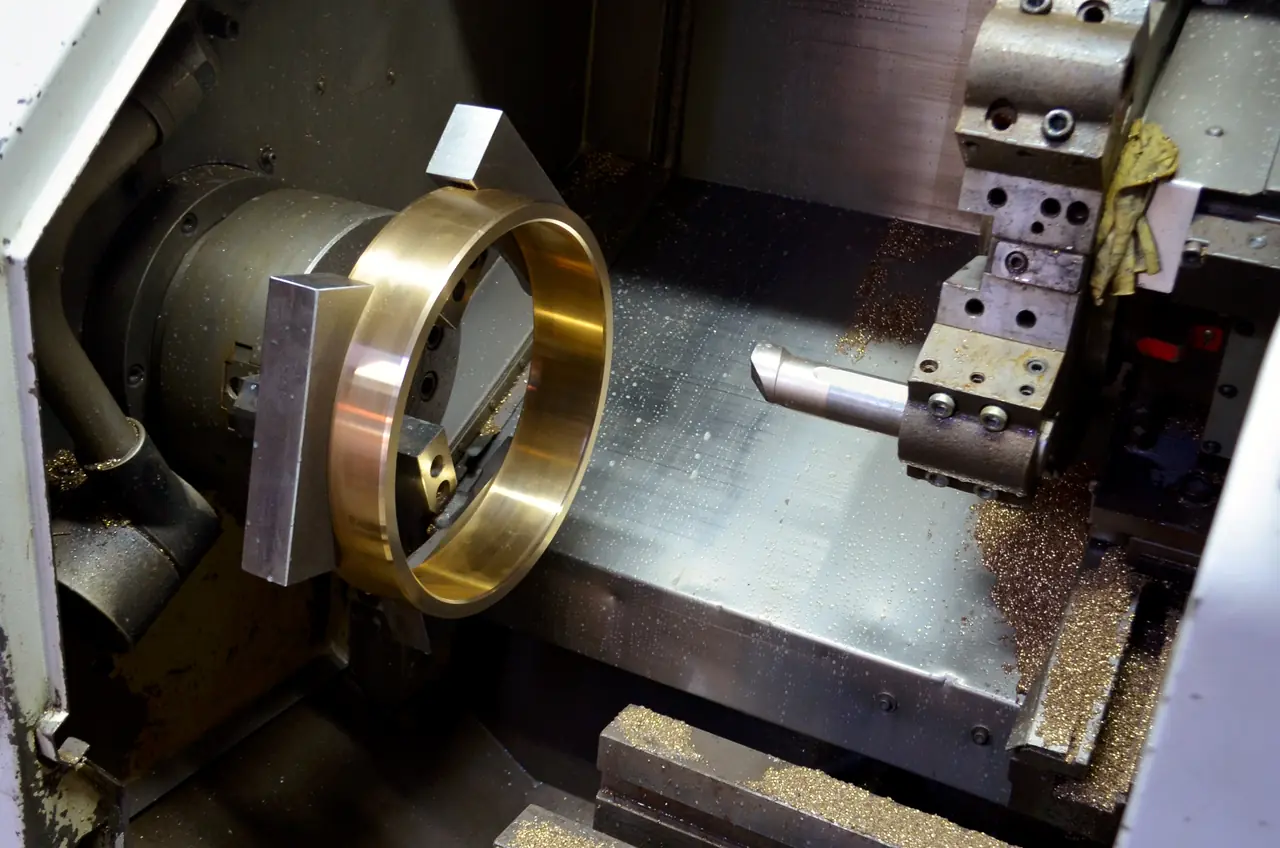
Fully Machined Components
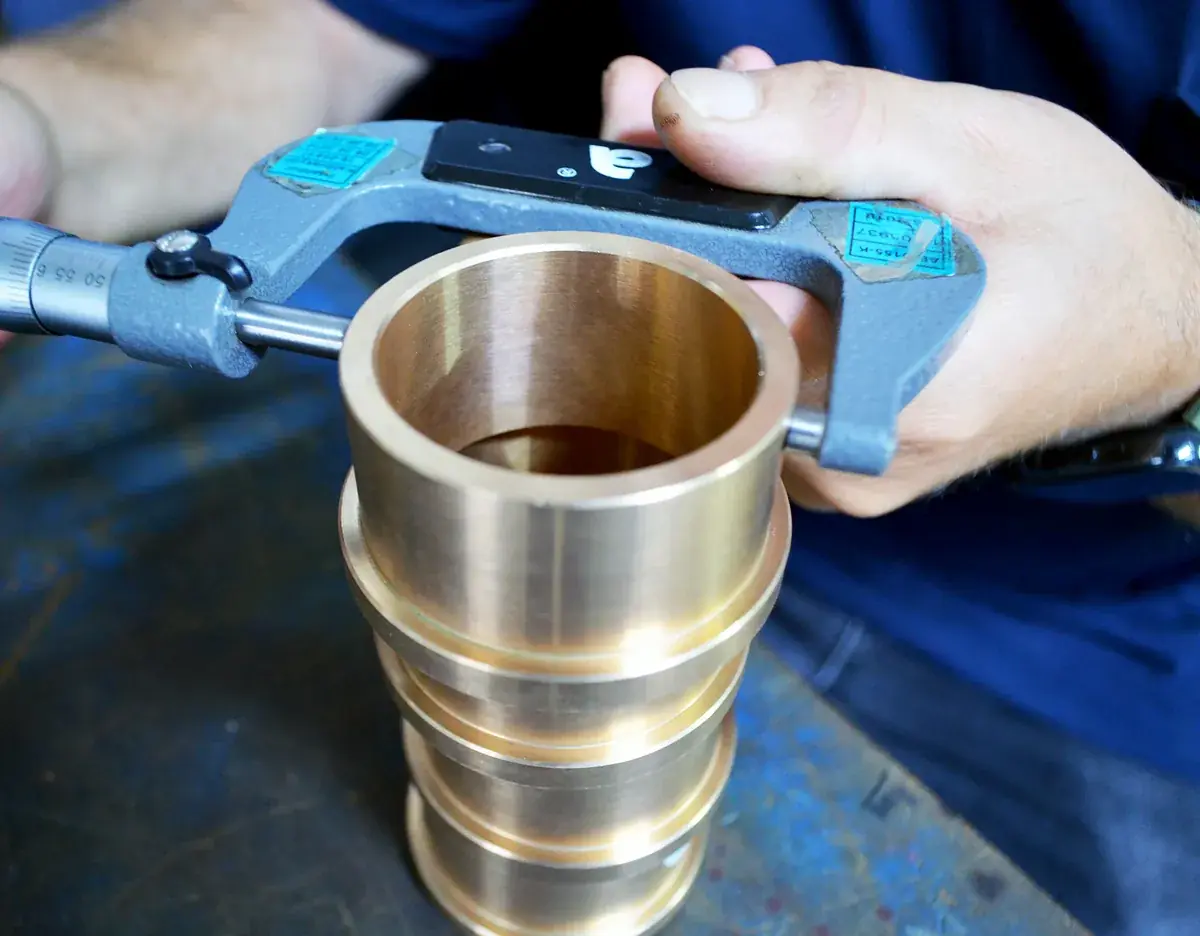
Delivered as a completed component where geometry and tolerances fall inside confirmed machining capability: turning, boring, milling, drilling, grooves, holes and threads to the drawing.
How the Supply Condition Affects Cost and Lead Time
The lowest unit price is not always the lowest total cost. A rough casting may be attractive for a machine shop that already has suitable capacity, while a fully machined part can reduce handling, subcontracting and production planning for an end user. The best quotation compares the customer process with casting yield, machining time, transport, inspection and delivery schedule.
Use One RFQ to Compare Options
When useful, buyers can ask for more than one supply condition for the same part — for example rough casting versus fully machined component. Providing the same drawing, alloy, quantity and delivery requirement allows the alternatives to be compared on a consistent basis.
What to Specify at Enquiry Stage
The quotation focuses on different information depending on the supply condition you need.
- Semi-finished material — alloy, cross-section, dimensions, cut length, allowance, quantity and certificate requirements.
- Rough / as-cast — which dimensions refer to finished condition and which are casting or allowance dimensions.
- Pre-machined — which surfaces, bores or datums should be machined, and what remains for your own line.
- Fully machined — critical dimensions, surface requirements and inspection expectations from the drawing.
Stating the intended supply condition in the enquiry avoids quoting the wrong scope and shortens the technical review.
Not Sure Which Condition to Request?
Share your drawing or material requirements and tell us which machining operations you plan to complete. We will review the suitable supply options with you.