
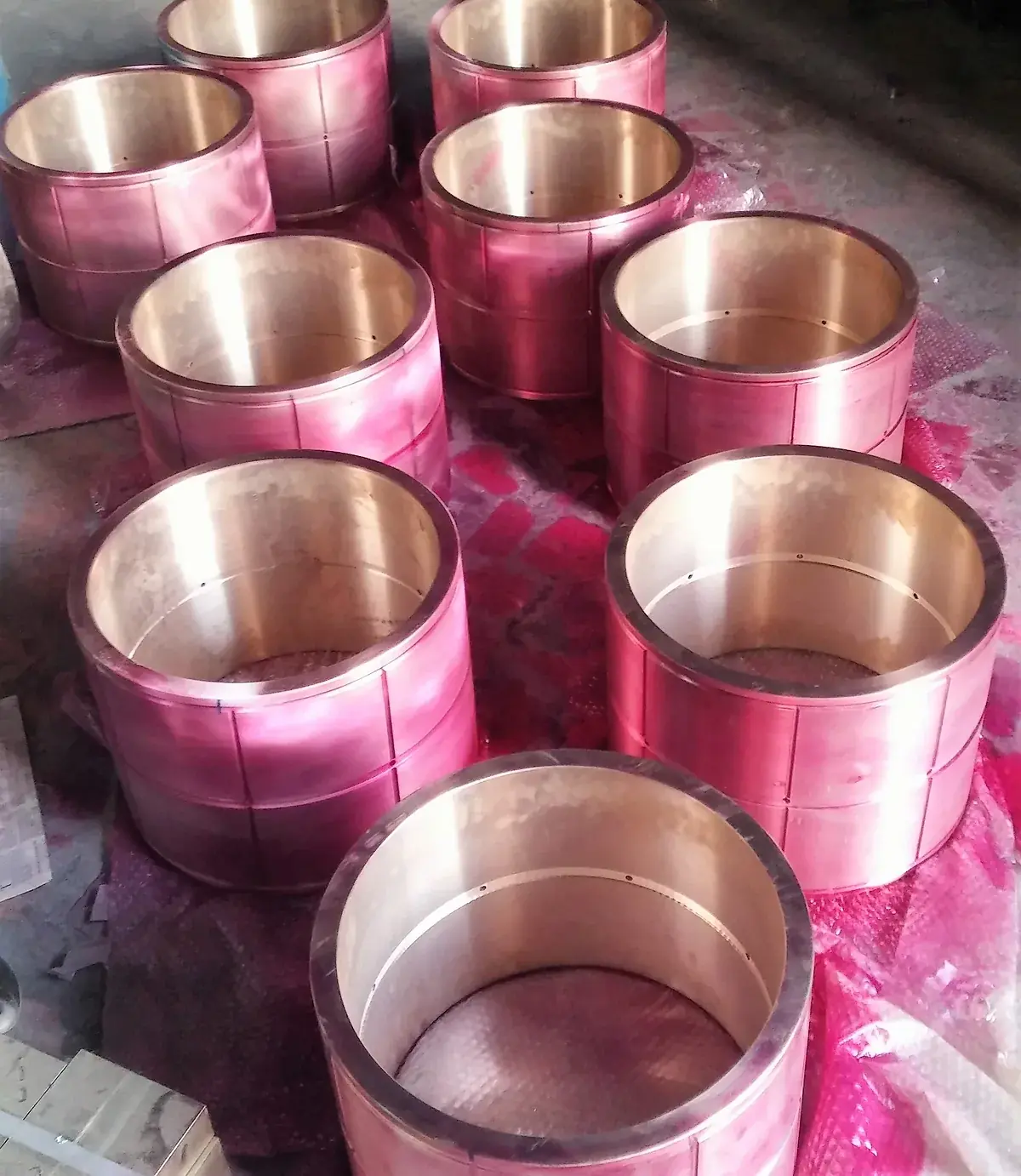
Our foundry group in Türkiye operates casting production and a quality-control laboratory at the same facility, keeping material verification closely connected to manufacturing. This provides a direct link between the specified alloy, production controls and inspection of the supplied components.
Mete Prime works with the production team to define the customer's quality and documentation requirements before order confirmation. The agreed scope establishes how the parts will be inspected and which records will accompany delivery, giving purchasing and engineering teams a clear basis for acceptance.
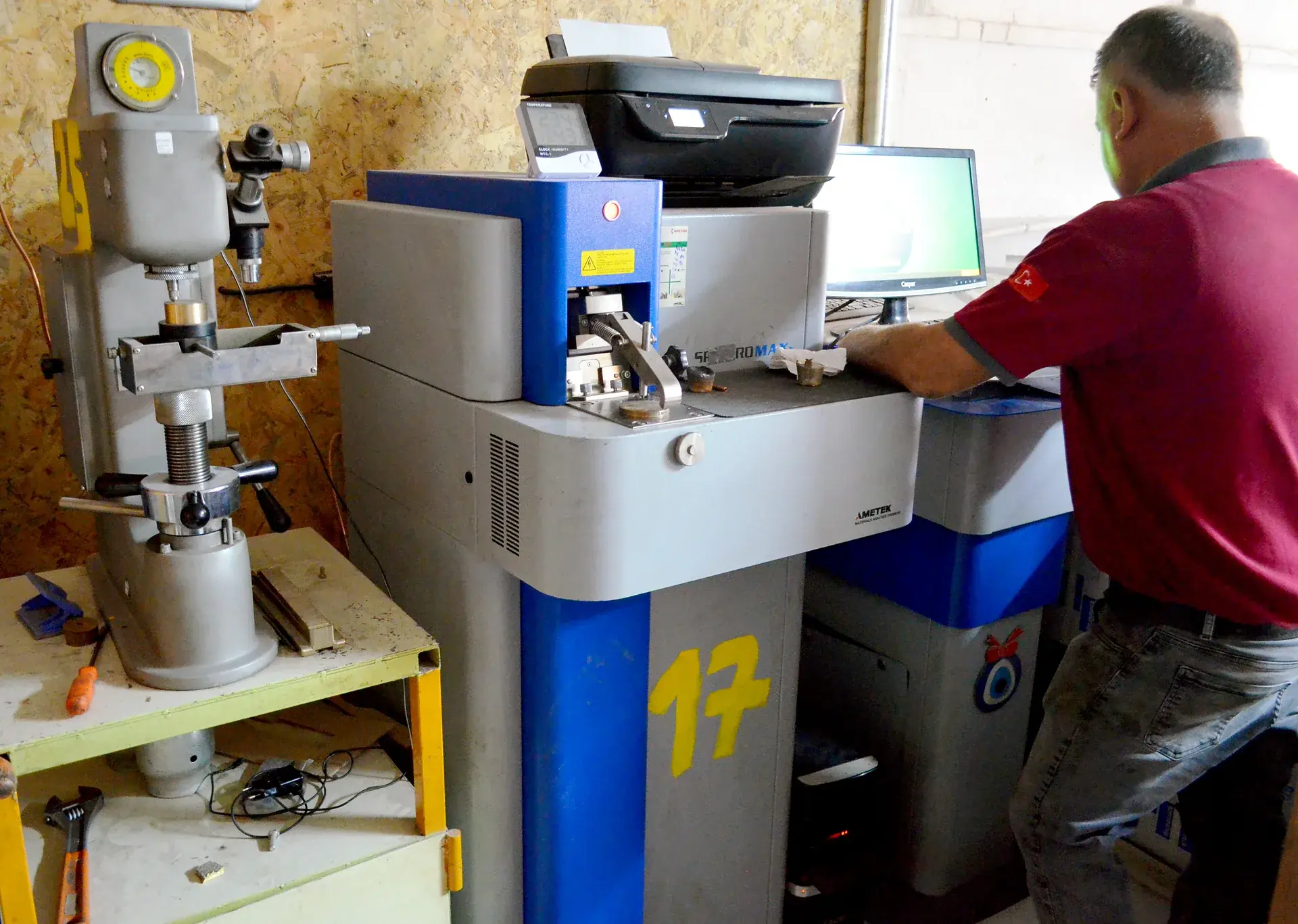
Tolerances and Critical Interfaces
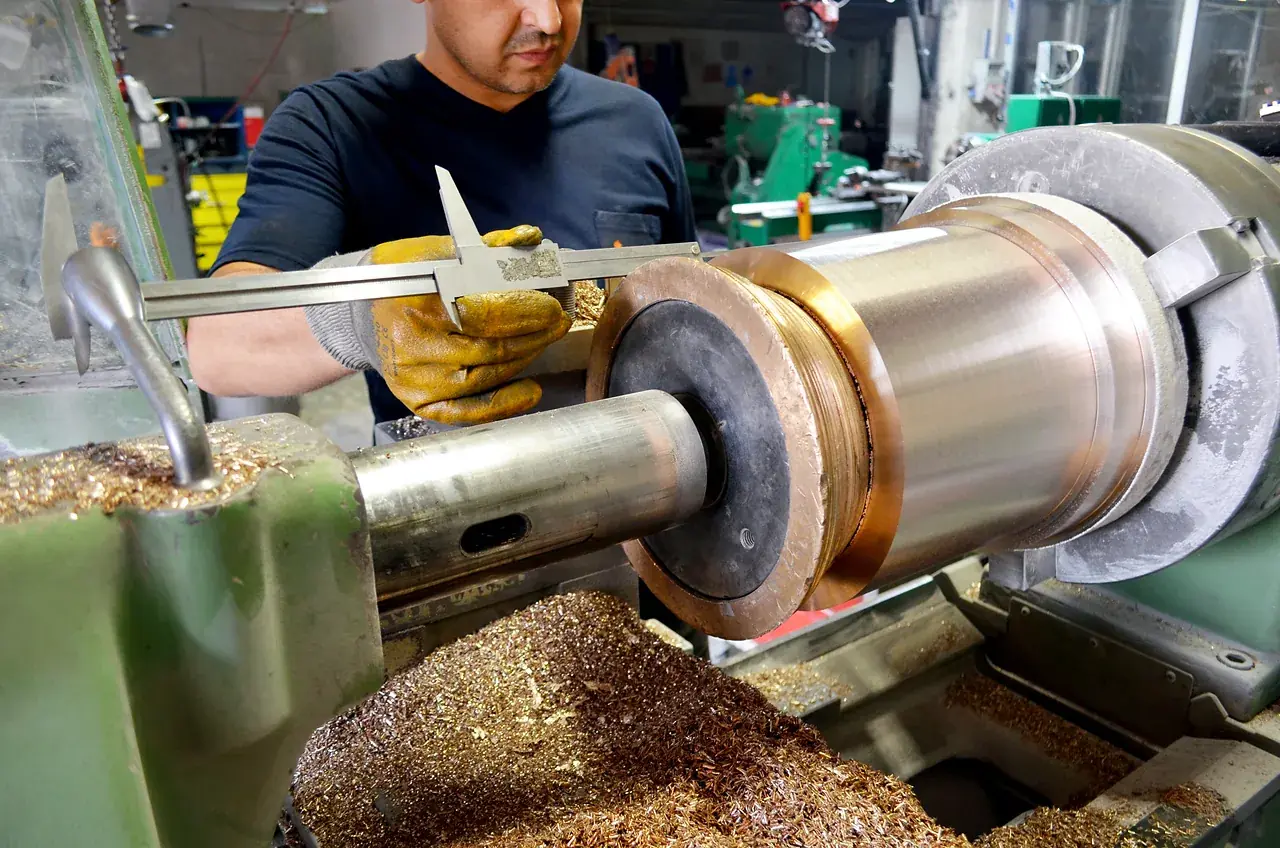
Dimensional inspection follows the drawing and agreed supply condition, including any specified general tolerances. Critical fits, interfaces and surface requirements should be clearly identified so they can be addressed in the inspection plan.
Customer-Specific Quality Requirements
Some projects require additional inspection, third-party witnessing, special marking, heat-treatment records, mechanical tests, pressure-related requirements or customer-specific acceptance criteria. These items should be included in the request for quotation because they can affect process planning, lead time and cost.
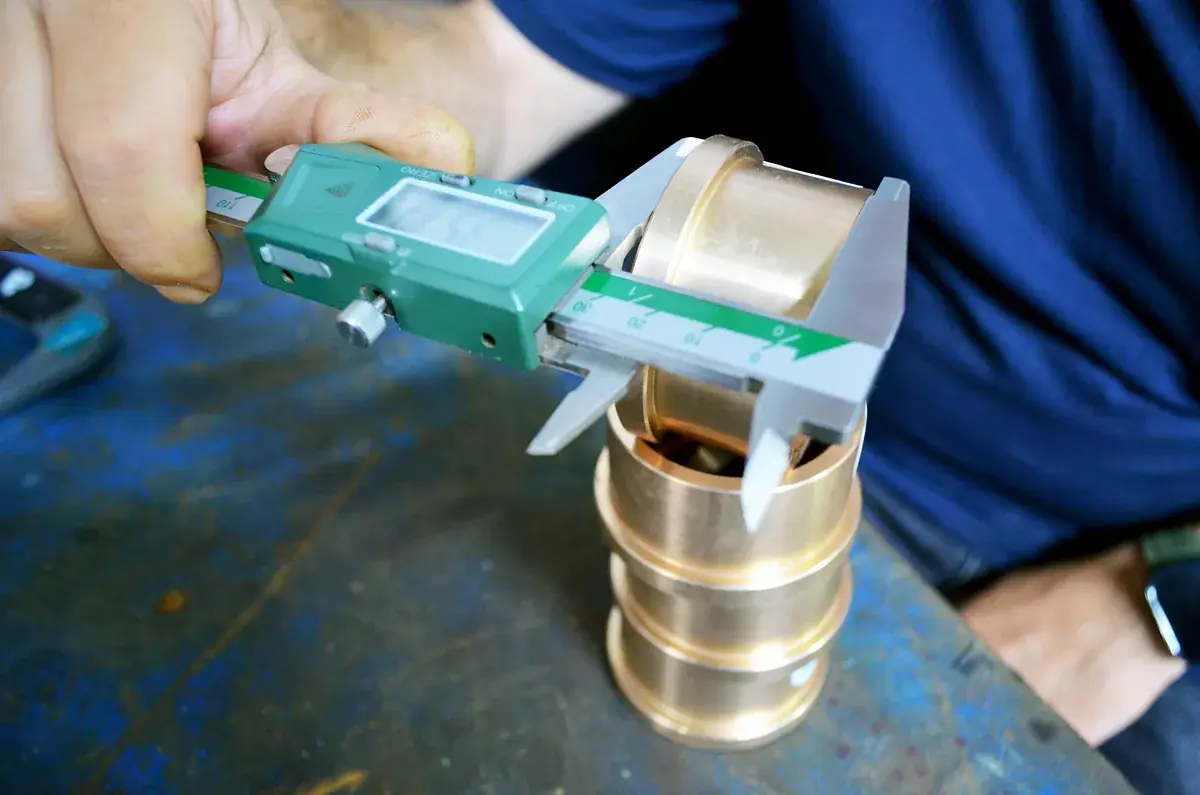
Certificates, Records and Traceability
Quality documentation links the supplied material and components to the agreed specification and order. The required certificates, inspection records and traceability arrangements are defined during quotation and agreed before production.
Production Facility Certifications
The certificates below apply to VNT Metal, the production company within our foundry group in Türkiye.
- Certificate holder
- VNT METAL MAKİNE SAN. VE TİC. LTD. ŞTİ.
- Location
- Gebze, Türkiye
- Scope
- Casting, processing and sales of non-ferrous heavy metals.
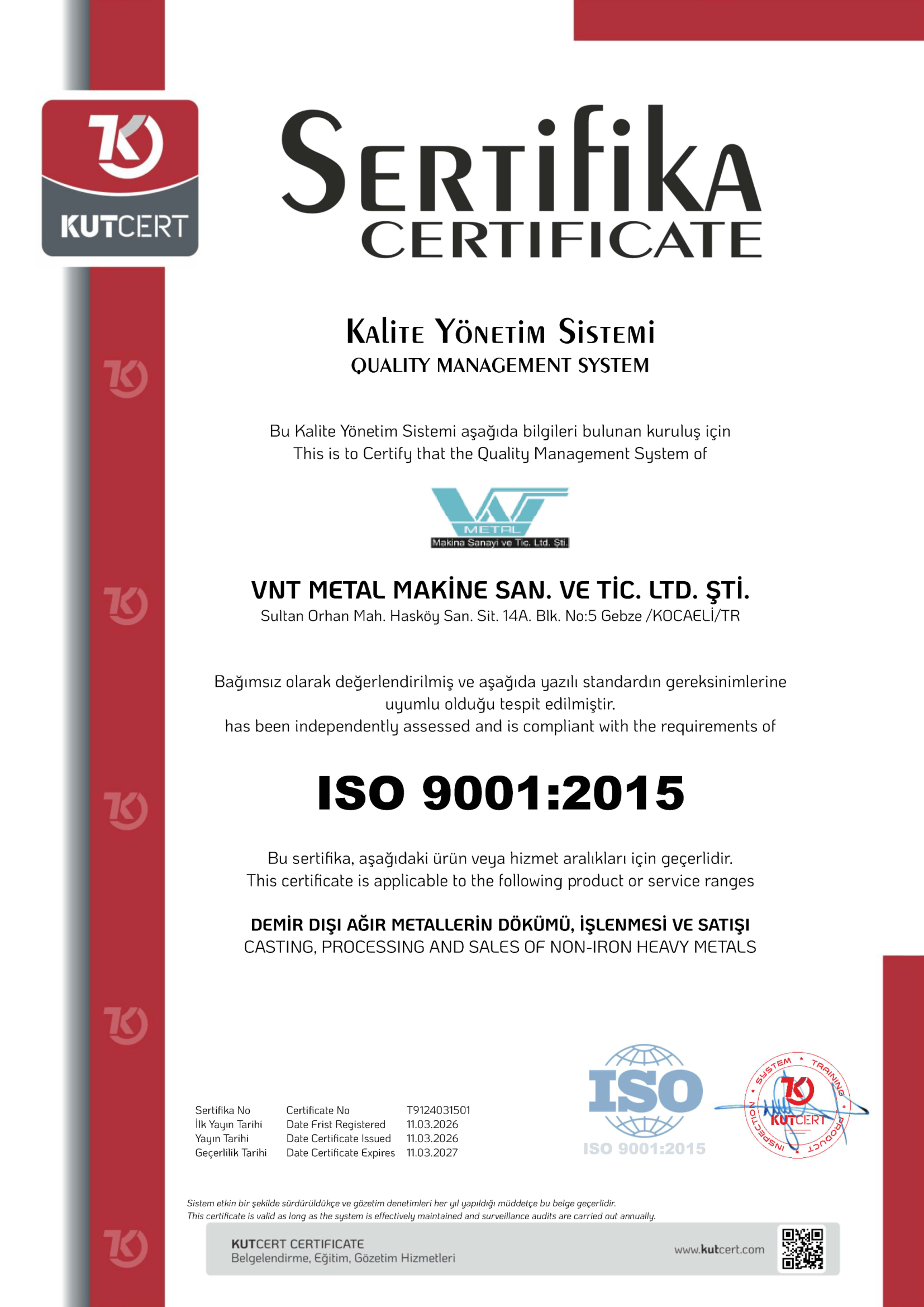 ISO 9001:2015Quality ManagementView Certificate
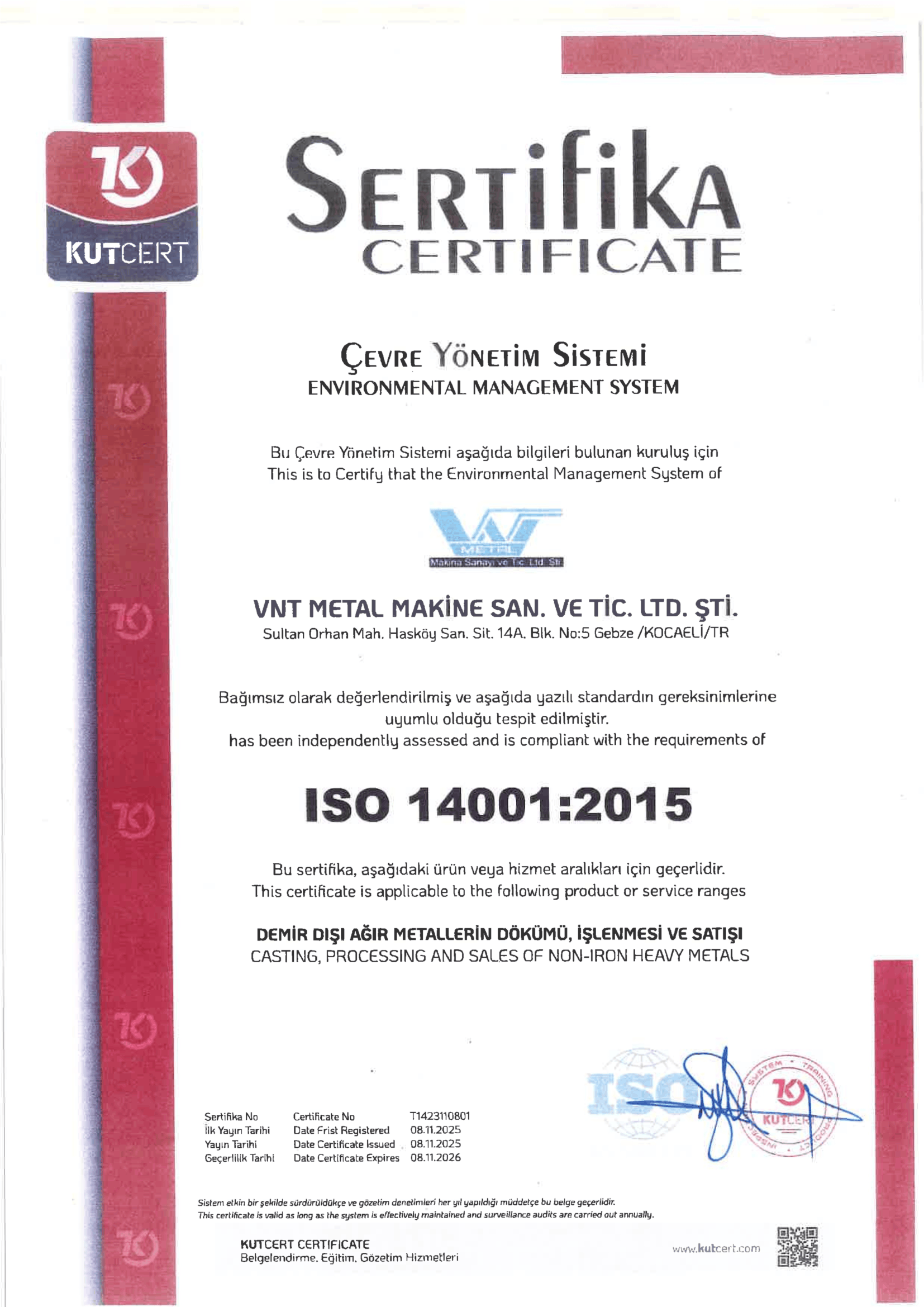 ISO 14001:2015Environmental ManagementView Certificate
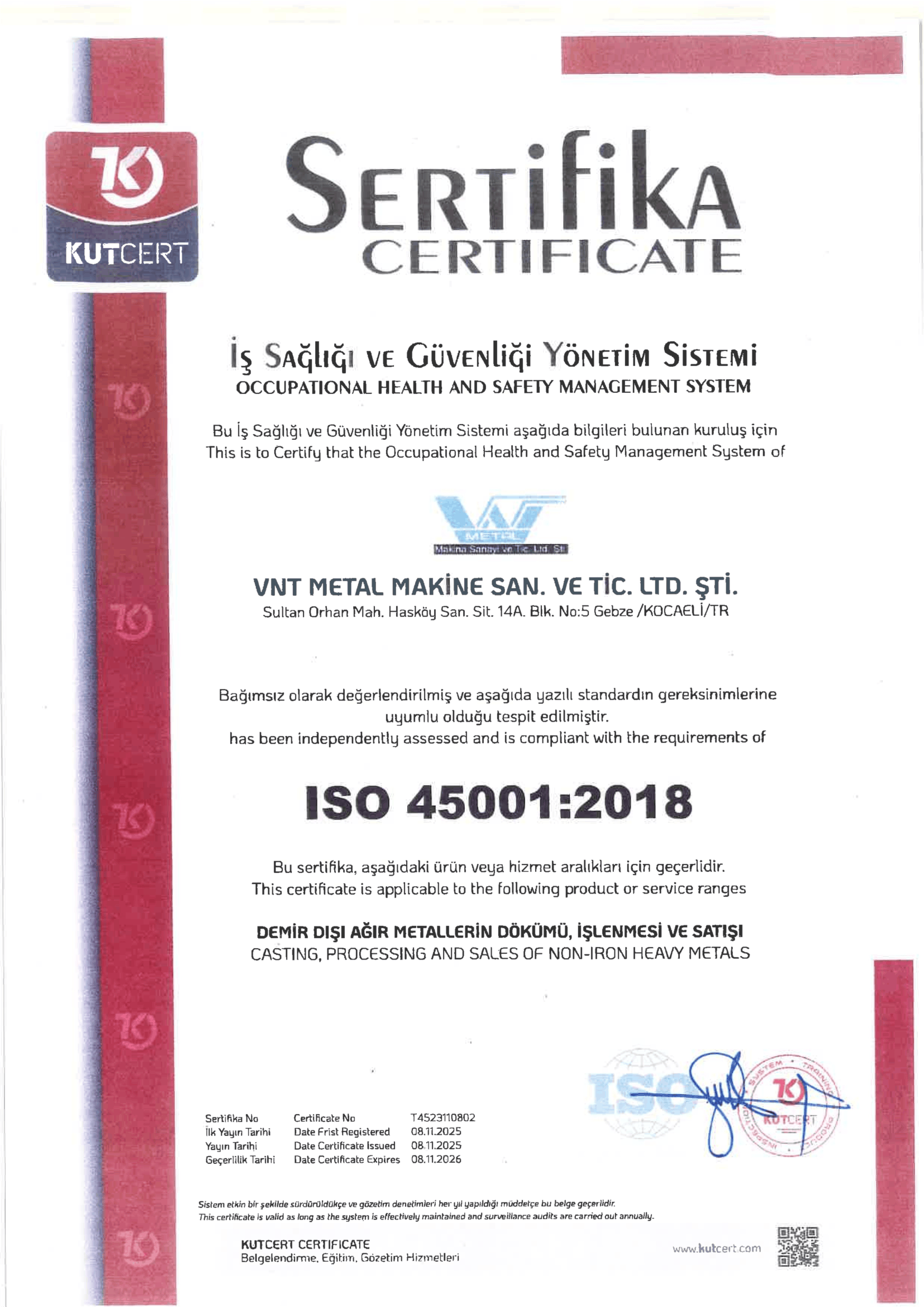 ISO 45001:2018Occupational Health & SafetyView Certificate
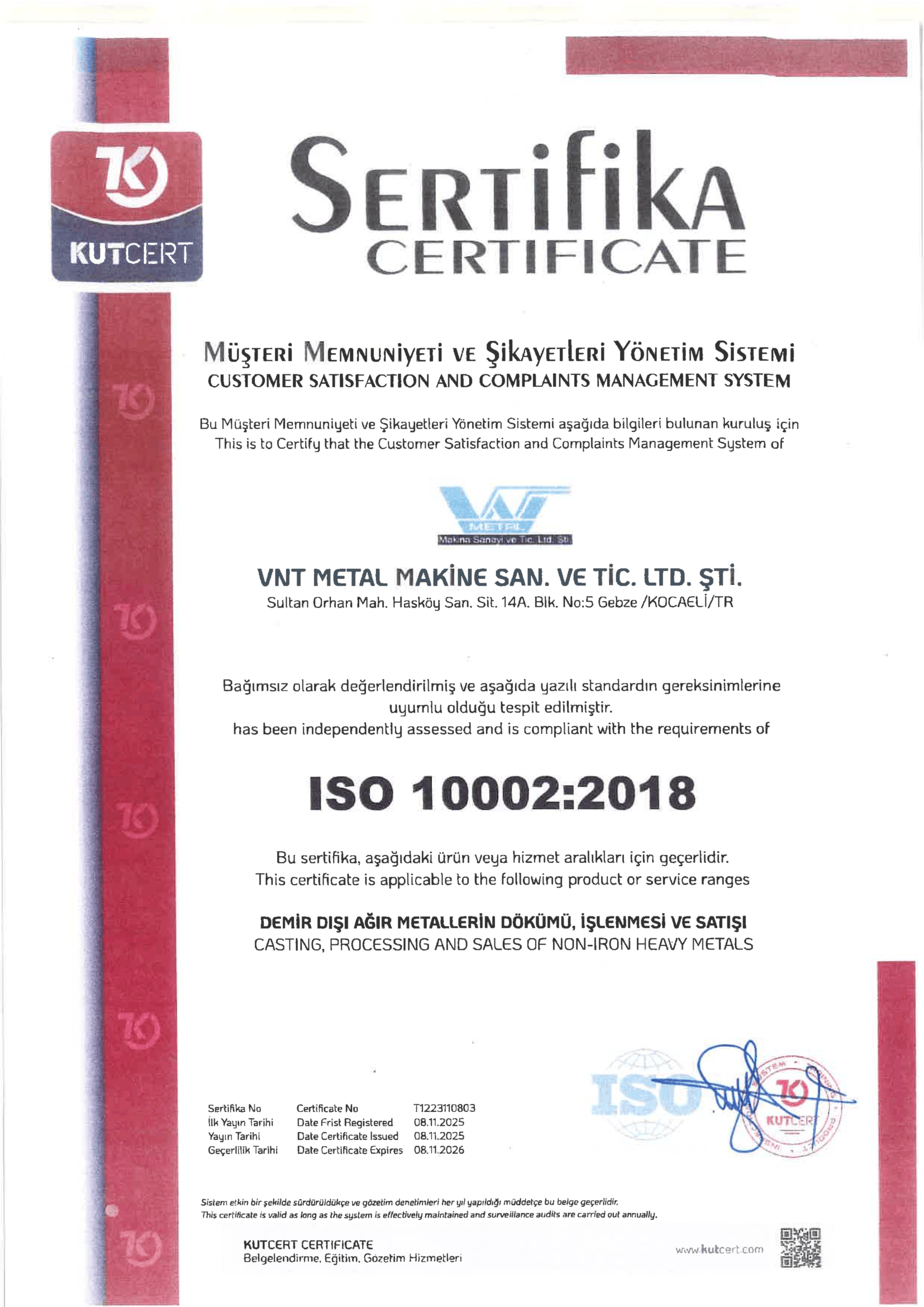 ISO 10002:2018Customer Satisfaction & Complaints ManagementView Certificate
Material Certificates & Inspection Records
Material certificates, chemical analysis records, and dimensional inspection reports can be provided according to the agreed order requirements. The required document types, inspection scope, and reporting format are confirmed during the quotation process.
Marine Classification Requirements
For marine and shipbuilding projects, classification society approval and certification through major organizations such as Lloyd’s Register, DNV, RINA, and Bureau Veritas (BV) can be arranged upon request. The applicable class requirements, inspection scope, and documentation are reviewed during the quotation stage and agreed upon before production.
Quality Information That Helps Purchasing Teams
For faster technical evaluation, send the following with the enquiry:
- Drawing revision
- Alloy or standard
- Quantity
- Supply condition
- Critical tolerances
- Required certificates
- Classification society requirements, such as Lloyd’s Register, DNV, RINA or Bureau Veritas (BV), including any required approval, inspection or certification
- Any inspection notes
This allows production and commercial review to determine whether the component can be quoted in a way that meets both engineering and purchasing requirements.
Send Your Drawing and Quality Requirements
We confirm the inspection and documentation scope before production begins.